influencer marketing strategy for small businesses

Influencer Marketing Strategy for Small Businesses: A Complete Guide
In today’s digital-first world, small businesses are constantly looking for cost-effective ways to reach their target audience. Traditional advertising can be expensive, making it difficult for startups and local businesses to compete with larger brands. This is where an influencer marketing strategy for small businesses can make a significant difference.
Influencer marketing has become one of the most effective digital marketing techniques. By collaborating with trusted content creators, businesses can connect with potential customers, build credibility, and increase sales without spending a fortune.
What is Influencer Marketing?
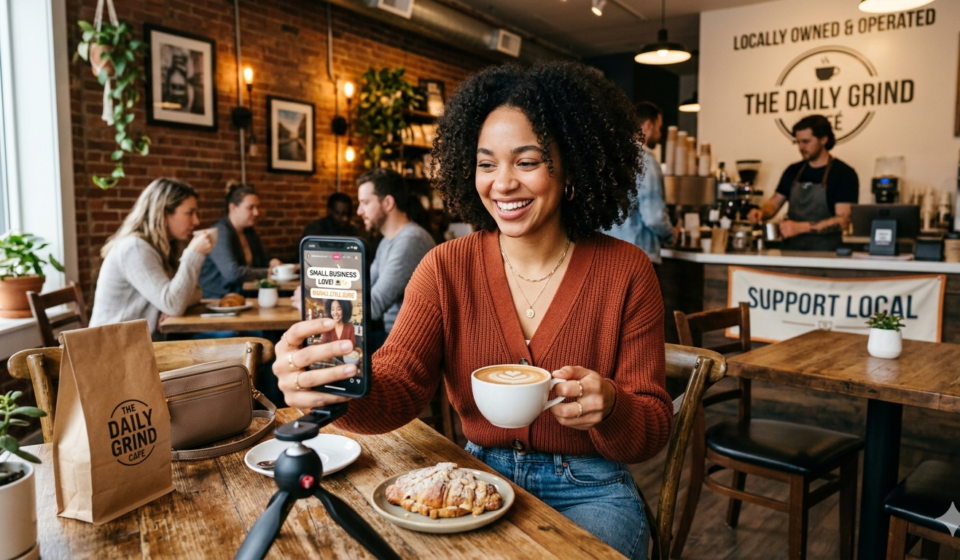
Influencer marketing is a form of marketing where businesses partner with individuals who have a dedicated following on social media platforms such as Instagram, YouTube, Facebook, and LinkedIn. These influencers promote products or services to their audience through posts, videos, reviews, and recommendations.
Unlike traditional advertisements, influencer recommendations often feel more authentic, which helps build trust among consumers.
Influencer Marketing Hub
Why Small Businesses Should Invest in Influencer Marketing
Many small business owners assume influencer marketing is only for big brands. However, the reality is quite different. Small businesses can benefit greatly by working with micro-influencers and niche content creators.
Some key benefits include:
- Increased brand awareness
- Better audience engagement
- Improved trust and credibility
- Cost-effective marketing campaigns
- Higher conversion rates
- Access to targeted customer segments
https://www.hubspot.com
How to Create an Effective Influencer Marketing Strategy for Small Businesses
Define Your Marketing Goals
Before reaching out to influencers, identify what you want to achieve. Your goals may include:
- Increasing website traffic
- Generating leads
- Boosting product sales
- Growing social media followers
- Building brand awareness
Clear objectives will help you choose the right influencers and measure campaign success.
Understand Your Target Audience
Knowing your audience is essential for any marketing campaign. Consider factors such as:
- Age group
- Location
- Interests
- Buying behaviour
- Preferred social media platforms
For example, if your target audience consists of young professionals, Instagram and LinkedIn influencers may be more effective than other platforms.
Choose the Right Influencers
One of the biggest mistakes businesses make is focusing only on follower count. Instead, look for influencers whose audience aligns with your target market.
Types of influencers include:
Nano Influencers
Typically have 1,000 to 10,000 followers. They often have highly engaged audiences and are affordable for small businesses.
Micro Influencers
Usually have 10,000 to 100,000 followers. They offer a good balance between reach and engagement.
Macro Influencers
Have a larger audience but may require a bigger budget.
For most small businesses, nano and micro influencers provide the best return on investment.
Create Authentic Partnerships
Consumers can easily identify forced promotions. Instead of controlling every detail, allow influencers to create content in their own style.
Authentic content performs better because it feels natural and trustworthy. Encourage influencers to share genuine experiences with your products or services.
Best Platforms for Influencer Marketing
Instagram remains one of the most popular platforms for influencer marketing. Features like Stories, Reels, and Posts help businesses showcase products creatively.
YouTube
YouTube is ideal for detailed product reviews, tutorials, and demonstrations. Videos often continue generating views long after they are published.
Facebook is useful for reaching local communities and specific demographic groups.
For B2B businesses, LinkedIn influencers can help establish authority and generate quality leads.
Budget-Friendly Influencer Marketing Tips
A successful influencer marketing strategy for small businesses does not require a massive budget.
Here are some practical tips:
Start Small
Begin with a few influencers and test campaign performance before increasing your investment.
Offer Free Products
Many micro-influencers are willing to collaborate in exchange for free products or services, especially if your offering matches their niche.
Focus on Long-Term Relationships
Building ongoing partnerships often delivers better results than one-time promotions.
Repurpose Influencer Content
Use influencer-generated content on your website, social media channels, and marketing campaigns to maximise value.
Measuring Campaign Success
Tracking performance is crucial to understanding whether your strategy is working.
Monitor key metrics such as:
- Reach and impressions
- Engagement rate
- Website traffic
- Lead generation
- Sales conversions
- Return on investment (ROI)
Using tools like Google Analytics and social media insights can help measure campaign effectiveness.
Common Mistakes to Avoid
Even the best influencer marketing campaigns can fail if common mistakes are ignored.
Avoid these errors:
- Choosing influencers solely based on follower count
- Ignoring audience relevance
- Setting unrealistic expectations
- Failing to track campaign performance
- Overly controlling influencer content
- Not having clear campaign goals
By avoiding these mistakes, businesses can achieve better results and maximise their marketing budget.
The Future of Influencer Marketing for Small Businesses
Influencer marketing continues to grow as consumers increasingly trust recommendations from real people over traditional advertisements. The rise of short-form video content, regional influencers, and niche communities presents exciting opportunities for small businesses in India.
Businesses that invest in authentic influencer relationships today are likely to enjoy stronger customer loyalty and improved brand visibility in the future.
Conclusion
An effective influencer marketing strategy for small businesses can help brands reach the right audience, build trust, and increase sales without spending heavily on advertising. By selecting the right influencers, creating authentic partnerships, and tracking campaign performance, small businesses can compete successfully in today’s digital marketplace.
Whether you are a startup, local retailer, or growing online business, influencer marketing can become a valuable part of your overall marketing strategy and contribute significantly to long-term growth.