

Meta Ads

Performance marketing
Meta Ads

Benefits of Meta Ads in 2026: Why Businesses Should Invest in Them

In 2026, digital marketing continues to grow rapidly, and businesses are always looking for effective ways to reach their target audience. One of the most powerful advertising platforms available today is Meta Ads. Meta Ads include advertisements shown across Facebook, Instagram, Messenger, and the Meta Audience Network. With billions of active users and advanced advertising tools, Meta Ads help businesses of all sizes connect with customers, increase sales, and build brand awareness. In this blog, we will explore the major benefits of Meta Ads in 2026 and why they remain a smart investment for businesses. 1. Access to a Massive Audience One of the biggest advantages of Meta Ads is the huge audience reach. Facebook and Instagram continue to attract billions of users worldwide. People of different age groups, interests, and locations use these platforms every day. This means businesses can reach potential customers whether they are targeting teenagers, working professionals, parents, or senior citizens. No matter the industry, there is a high chance that the target audience is already active on Meta platforms. 2. Advanced Targeting Capabilities Meta’s targeting features have become even more powerful in 2026. Businesses can show ads to specific groups of people based on: Age Gender Location Interests Online behavior Purchase history Device usage This detailed targeting helps advertisers reach the right people instead of wasting money on users who may not be interested in their products or services. For example, a fitness brand can show ads specifically to people interested in health, exercise, and wellness, increasing the chances of getting conversions. 3. AI-Powered Advertising Artificial Intelligence plays a major role in Meta Ads in 2026. Meta’s AI tools automatically optimize campaigns to improve performance. The AI can: Identify the best audience Select the best ad placements Adjust budgets automatically Improve ad delivery Increase conversion rates This makes advertising easier, especially for small businesses that may not have large marketing teams. Even beginners can achieve better results with the help of Meta’s smart automation features. 4. Cost-Effective Marketing Compared to traditional advertising methods such as television, newspapers, or billboards, Meta Ads are much more affordable. Businesses can start with a small budget and gradually increase spending as they see results. This flexibility allows startups and small businesses to compete with larger brands. Since advertisers only pay for specific actions such as clicks, impressions, or conversions, they have better control over their marketing expenses. 5. Improved Return on Investment (ROI) Meta Ads offer strong return on investment when campaigns are properly optimized. Because businesses can target highly relevant audiences, the chances of generating leads and sales increase significantly. With real-time tracking and performance data, marketers can quickly identify what works and make improvements. This helps businesses maximize results while keeping advertising costs under control. Many companies continue to use Meta Ads because they consistently generate measurable outcomes. 6. Multiple Ad Formats Meta provides a variety of ad formats that help businesses engage users in different ways. Some popular formats include: Image Ads Video Ads Carousel Ads Story Ads Reels Ads Collection Ads Lead Generation Ads These options allow businesses to create creative campaigns that match their goals. For example, a fashion brand can use carousel ads to showcase multiple products, while a restaurant can use video ads to highlight its menu and atmosphere. 7. Strong E-Commerce Integration Online shopping continues to grow in 2026, and Meta Ads support e-commerce businesses through seamless shopping experiences. Features such as: Instagram Shops Facebook Shops Product Catalog Ads Dynamic Product Ads allow customers to discover and purchase products directly through Meta platforms. This shorter customer journey often leads to higher conversion rates and more sales. 8. Better Brand Awareness Building brand awareness is essential for long-term business growth. Meta Ads help businesses stay visible to their audience through regular exposure. Even if users do not purchase immediately, repeated interactions with ads help build trust and familiarity. Over time, customers are more likely to remember and choose a brand they have seen multiple times. This makes Meta Ads valuable not only for direct sales but also for long-term branding efforts. 9. Real-Time Analytics and Reporting One of the strongest benefits of Meta Ads is access to detailed performance reports. Businesses can track: Reach Impressions Clicks Engagement Leads Purchases Conversion rates These insights help marketers understand customer behavior and improve future campaigns. Instead of guessing what works, businesses can make decisions based on real data. 10. Effective Retargeting Opportunities Not every customer buys during their first visit. Meta Ads allow businesses to reconnect with people who have already interacted with their brand. Retargeting campaigns can reach users who: Visited a website Added products to a cart Watched videos Engaged with social media content These audiences are often more likely to convert because they already know the brand. Retargeting remains one of the highest-performing advertising strategies available in 2026. 11. Increased Engagement Through Reels and Short Videos Short-form video content continues to dominate social media. Instagram Reels and Facebook video placements provide businesses with excellent opportunities to engage audiences. Videos capture attention quickly and often generate higher engagement compared to static images. Brands can use short videos to: Demonstrate products Share customer testimonials Showcase behind-the-scenes content Announce promotions This creates stronger connections with potential customers. 12. Suitable for Businesses of All Sizes Whether a company is a local startup or a multinational corporation, Meta Ads can support its marketing goals. Small businesses benefit from affordable advertising and local targeting, while larger organizations can run large-scale campaigns across multiple markets. This flexibility makes Meta Ads one of the most accessible advertising platforms available.   Conclusion Meta Ads remain one of the most powerful digital marketing tools in 2026. Their ability to reach massive audiences, target specific customer groups, leverage AI technology, and deliver measurable results makes them a valuable investment for businesses. From increasing brand awareness to driving sales and generating leads, Meta Ads offer solutions for nearly every marketing objective. With advanced automation, detailed analytics, and a variety of creative ad formats,
Football Drills for Beginners
Meta Ads

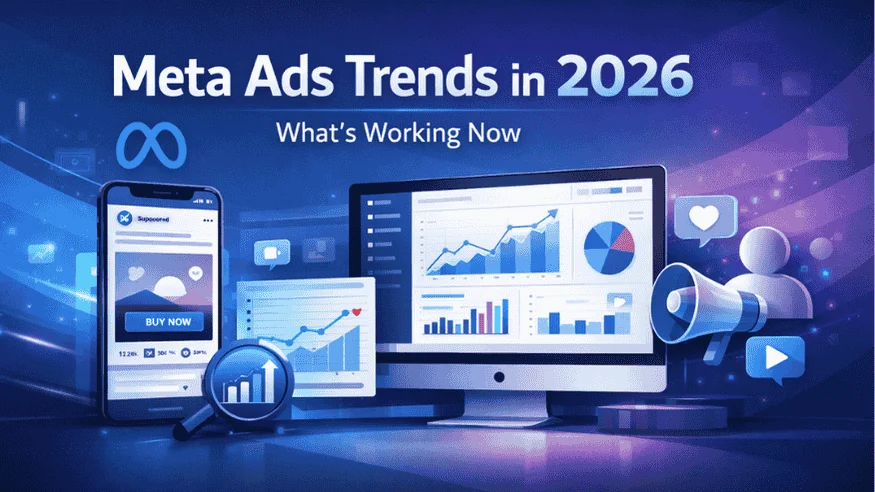
Meta Ads in 2026: The Future of Digital Advertising on Facebook and Instagram

Digital advertising has evolved dramatically over the past decade, and in 2026, Meta Ads remain one of the most powerful tools for businesses looking to reach their target audiences online. As the parent company of Facebook, Instagram, Messenger, and WhatsApp, Meta continues to dominate the social media advertising landscape by combining advanced artificial intelligence, automation, and massive user reach. However, the Meta advertising ecosystem in 2026 looks very different from what marketers knew just a few years ago. Traditional audience targeting methods have become less important, AI-powered campaign optimization has become the norm, and advertisers are increasingly focused on creative quality and first-party data. For businesses, understanding these changes is critical. Brands that adapt to the latest Meta Ads strategies can achieve stronger engagement, higher conversions, and better returns on investment. This article explores how Meta Ads work in 2026, the trends shaping the platform, and the best practices businesses should follow to stay competitive. The State of Meta Advertising in 2026 Meta continues to be one of the largest advertising platforms in the world. With billions of active users across Facebook, Instagram, Messenger, and WhatsApp, businesses can reach audiences across virtually every demographic and geographic market. The biggest change in 2026 is the increasing role of artificial intelligence. Meta’s advertising system now handles much of the work that marketers previously performed manually. Campaign setup, audience selection, budget allocation, bidding, and creative optimization are heavily automated. Instead of spending hours creating detailed audience segments, advertisers now focus more on defining business goals and providing high-quality creative assets. Meta’s AI takes care of much of the optimization process. AI-Powered Advertising Has Become the Standard Artificial intelligence is at the heart of Meta Ads in 2026. Meta’s machine learning systems analyze enormous amounts of user behavior data to determine which ads should be shown to specific individuals. Modern AI-driven advertising helps businesses: Find high-converting audiences automatically. Optimize campaigns in real time. Predict purchasing behavior. Improve ad delivery efficiency. Increase return on ad spend (ROAS). Many advertisers now rely on Advantage+ campaigns, which use AI to automate audience targeting, placements, and budget distribution. Rather than manually controlling every campaign setting, successful marketers allow Meta’s algorithms to identify the best opportunities for conversions while focusing their efforts on strategy and creative development. Creative Content Is More Important Than Ever As audience targeting becomes increasingly automated, creative quality has emerged as one of the most important factors influencing campaign success. Meta’s algorithms can identify potential customers, but compelling content is still required to capture attention and drive action. In 2026, high-performing ads typically include: Short-form video content. User-generated content (UGC). Customer testimonials. Product demonstrations. Story-driven messaging. Authentic brand communication. Consumers are increasingly resistant to overly polished advertising. Authenticity often outperforms traditional promotional content because it feels more relatable and trustworthy. Businesses that invest in creative testing and content production generally achieve better results than those relying solely on targeting strategies. The Rise of AI-Generated Ad Creatives One of the most significant developments in Meta Ads is the use of generative AI for creative production. Advertisers can now use AI-powered tools to generate: Ad copy variations. Headlines. Product descriptions. Images. Video edits. Calls-to-action. These tools help businesses create multiple ad versions quickly, allowing Meta’s system to test and optimize performance automatically. However, human creativity remains essential. While AI can accelerate production, brands still need strong messaging, clear positioning, and a deep understanding of customer needs. The most successful campaigns combine AI efficiency with human strategic thinking. Privacy Changes Continue to Shape Advertising Consumer privacy remains a major focus in 2026. Regulations and platform-level privacy protections have reduced the amount of third-party data available to advertisers. As a result, businesses increasingly rely on first-party data collected through: Website interactions. Customer databases. Email subscriptions. Loyalty programs. Purchase history. First-party data provides valuable insights while maintaining compliance with privacy standards. Brands that build strong direct relationships with their customers are better positioned to succeed in a privacy-focused advertising environment. WhatsApp Advertising Is Becoming a Major Growth Channel While Facebook and Instagram remain dominant, WhatsApp has emerged as a key component of Meta’s advertising ecosystem. Businesses increasingly use ads to drive users into WhatsApp conversations where customer support, lead generation, and sales interactions can take place. Benefits of WhatsApp-focused campaigns include: Personalized customer communication. Faster response times. Higher engagement rates. Improved lead qualification. Better customer experiences. For many local businesses and service providers, conversational marketing through WhatsApp has become an effective way to generate conversions. Video Dominates Meta Ads in 2026 Video content continues to outperform most other ad formats across Meta’s platforms. Short-form videos, particularly those designed for mobile users, generate strong engagement and conversion rates. Popular video strategies include: Product tutorials. Behind-the-scenes content. Customer success stories. Educational content. Influencer collaborations. Instagram Reels and Facebook video placements remain among the most valuable advertising opportunities available to brands. Marketers increasingly prioritize video-first strategies when planning Meta campaigns. The Importance of Conversion Optimization In 2026, advertisers focus less on vanity metrics such as likes and impressions and more on measurable business outcomes. Successful campaigns prioritize: Lead generation. Purchases. App installs. Bookings. Subscription sign-ups. Meta’s AI systems are designed to optimize for specific business objectives rather than broad engagement metrics. This shift encourages businesses to align advertising efforts with revenue generation rather than surface-level visibility. Best Practices for Meta Ads in 2026 Focus on Business Goals Clearly define campaign objectives before launching advertisements. Every campaign should support a measurable business outcome. Invest in Creative Testing Test multiple creative formats, messaging styles, and visuals to identify what resonates with your audience. Leverage First-Party Data Build and maintain customer databases that can improve targeting and campaign performance. Use Automation Strategically Take advantage of Meta’s AI-powered tools while maintaining oversight of campaign strategy and creative direction. Prioritize Mobile Experiences Most users interact with Meta platforms on mobile devices. Ensure landing pages and ad creatives are optimized for mobile viewing. Monitor Performance Regularly Although automation handles much of the optimization process, advertisers should continuously review

Meta Ads

Meta Ads: The Complete Guide to Driving Business Growth Through Facebook and Instagram Advertising

Introduction In today’s competitive digital marketplace, businesses need effective ways to reach their target audience, generate leads, and increase sales. One of the most powerful advertising platforms available is Meta Ads. Managed through Meta’s advertising ecosystem, Meta Ads allow businesses to promote their products and services across Facebook, Instagram, Messenger, and the Audience Network. With billions of active users across its platforms, Meta provides advertisers with unparalleled access to diverse audiences. Whether you’re a small business owner, an e-commerce brand, or a multinational company, Meta Ads can help you connect with potential customers at every stage of the buying journey. This guide explores what Meta Ads are, how they work, their key benefits, campaign types, and best practices for achieving successful advertising results. What Are Meta Ads? Meta Ads are paid advertisements displayed across Meta’s family of platforms, including Facebook, Instagram, Messenger, and Audience Network. Businesses use these ads to promote products, services, content, events, or brand awareness. Advertisers create and manage campaigns through Meta Ads Manager, a centralized platform that offers detailed audience targeting, budget control, campaign tracking, and performance analytics. Unlike traditional advertising methods, Meta Ads allow businesses to reach highly specific audiences based on demographics, interests, behaviors, online activity, and customer data. Why Meta Ads Are Important for Businesses Meta Ads have become an essential part of modern digital marketing strategies for several reasons. Massive Audience Reach Meta’s platforms collectively attract billions of active users worldwide. This extensive reach allows businesses to connect with potential customers regardless of industry or location. Advanced Targeting Capabilities One of the biggest advantages of Meta Ads is precise audience targeting. Businesses can target users based on: Age Gender Location Interests Occupation Shopping behavior Online activity Custom audiences Lookalike audiences This level of targeting helps improve campaign efficiency and reduce wasted advertising spend. Cost-Effective Marketing Meta Ads are accessible to businesses of all sizes. Advertisers can start with small budgets and scale campaigns as results improve. Compared to many traditional advertising channels, Meta Ads often deliver a strong return on investment when managed effectively. Measurable Results Meta Ads provide detailed analytics and performance tracking, enabling businesses to measure: Reach Impressions Clicks Engagement Leads Conversions Return on ad spend (ROAS) These insights help marketers make data-driven decisions and continuously optimize campaigns. Types of Meta Ad Campaign Objectives Meta Ads are designed around marketing objectives. Choosing the right objective is critical for campaign success. Awareness Campaigns Awareness campaigns focus on introducing your brand to new audiences. Goals include: Brand awareness Increased visibility Audience reach These campaigns are ideal for businesses looking to build recognition and market presence. Traffic Campaigns Traffic campaigns encourage users to visit a website, landing page, or app. Common uses include: Blog promotion Product page visits Event registrations Traffic campaigns help generate website visitors and expand audience engagement. Engagement Campaigns Engagement campaigns are designed to increase interactions with your content. Examples include: Post likes Comments Shares Video views Page follows These campaigns can help strengthen brand visibility and social proof. Lead Generation Campaigns Lead generation ads allow businesses to collect customer information directly within Meta’s platforms. Typical lead data includes: Names Email addresses Phone numbers These campaigns are particularly effective for service-based businesses and B2B companies. Sales and Conversion Campaigns Conversion-focused campaigns aim to drive purchases, bookings, subscriptions, or other valuable actions. By integrating tracking tools such as the Meta Pixel, advertisers can monitor customer behavior and optimize campaigns for higher conversions. Popular Meta Ad Formats Meta offers various ad formats to suit different marketing goals. Image Ads Image ads use a single visual to communicate a message. They are simple, effective, and easy to create. Best suited for: Product promotions Brand awareness Special offers Video Ads Video content often generates higher engagement than static images. Businesses use video ads to: Demonstrate products Tell brand stories Showcase customer testimonials Short-form videos perform particularly well on Instagram and Facebook feeds. Carousel Ads Carousel ads allow advertisers to display multiple images or videos within a single advertisement. These ads are ideal for: Product catalogs Service showcases Feature demonstrations Collection Ads Collection ads provide an immersive shopping experience, particularly for mobile users. They enable customers to browse products directly within the ad before visiting a website. Stories Ads Stories ads appear in Facebook and Instagram Stories, offering a full-screen experience that captures user attention. Because stories are highly engaging, they often produce strong results for brand awareness and conversions. The Importance of Audience Targeting Effective audience targeting is one of the primary reasons Meta Ads succeed. Custom Audiences Businesses can target existing customers by uploading email lists or targeting website visitors. This strategy is useful for: Retargeting campaigns Customer retention Upselling opportunities Lookalike Audiences Lookalike audiences help businesses find new users who share characteristics with existing customers. This feature enables advertisers to expand their reach while maintaining audience quality. Interest-Based Targeting Meta allows businesses to target users based on interests and behaviors, helping brands connect with people most likely to engage with their offerings. Best Practices for Running Successful Meta Ads Define Clear Objectives Every campaign should have a specific goal. Whether the objective is awareness, leads, or sales, clarity improves campaign performance. Use High-Quality Creatives Visual content plays a major role in ad success. Use professional images, compelling videos, and strong branding to capture attention. Write Persuasive Ad Copy Effective ad copy should: Address customer pain points Highlight benefits Include a clear call-to-action Create urgency when appropriate Test Multiple Variations A/B testing helps identify the most effective combinations of: Headlines Images Videos Audiences Calls-to-action Regular testing improves campaign performance over time. Optimize for Mobile Users Most Meta platform users access content through mobile devices. Ads should be designed with mobile viewing in mind. Monitor and Adjust Campaigns Successful advertisers continuously analyze performance metrics and make improvements based on data. Regular optimization helps maximize return on investment and reduce wasted spending. Common Mistakes to Avoid Many businesses struggle with Meta Ads due to avoidable mistakes. Common issues include: Poor audience targeting Weak ad

Scroll to Top